The Angular Community at a Glance
The Angular framework owes much of its momentum to its community—a diverse group of developers who push the framework forward and help each other tackle everyday challenges. Around the globe, Angular meetups and conferences are regularly held, and many of these events are now accessible online as well. Poland is no exception; the local community has seen remarkable growth and increased engagement.
If you’re looking to stay current and deepen your expertise, several resources are worth exploring. Theofficial Angular website offers comprehensive documentation, release notes, and updates on new versions. Beginners are strongly encouraged to study the Angular Documentation thoroughly, but even seasoned developers benefit from revisiting it periodically. Continuing education is a constant process—after all, even senior engineers need to stay sharp.
The official Angular Discord server boasts around 20,000 members, including Angular’s core creators and Google Developer Experts. It’s a hub for asking technical questions, discovering upcoming meetups, and connecting with accomplished developers worldwide. This makes it a valuable space for networking and learning.
Beyond that, the Angular Team regularly posts announcements about framework changes and upcoming releases on their Twitter account. The Core Team is anything but reclusive—after every major release, they host an online session to walk through new features and engage directly with the community.
Ways to Contribute to the Angular Community
There’s no shortage of ways to get involved—you just have to pick one! Here’s how to start:
- Share your expertise – numerous platforms exist for exchanging knowledge with fellow developers. Writing for our blog is one avenue. All it takes is a bit of courage—join our Facebook blogger community at wp.angular.love bloggers.
- Offer support – lend a hand, especially to newcomers. Whether it’s on the official Angular Discord, Facebook groups, or within your own workplace, every bit of help is valued and appreciated.
- Join webinars, meetups, and conferences – the more you learn, the more you can share. Who knows—maybe one day you’ll be the one presenting or speaking at a conference! It’s a rewarding experience to step beyond your comfort zone.
- Engage in Angular research – to better understand Angular’s evolution and its user base, it’s essential to study the developer landscape and share insights. The Angular Team conducts an annual global survey for this purpose. Poland runs its own analysis called State of Angular Polska 2022!
- Help improve Angular itself – you can make a real difference. To start contributing, check out the officialAngular repository. Contributors take varied approaches: some tackle issues, others work on documentation, and some focus on smaller but essential libraries. You can also join discussions onGitHub issues, where bugs, feature proposals, and fixes are debated between maintainers and the community. Full instructions can be foundhere, along with links to relevant documentation.
- Stay active as a community member – the Angular community brings together developers from every corner of the world. Through dedicated channels, panels with experts, open-source teams, and even free educational resources, there are countless ways to exchange experiences and grow.
The broader the support network, the stronger both the community and the framework become. Just imagine—one day you might be the one stuck on a stubborn bug or a confusing concept. That’s perfectly normal. In those moments, community support is invaluable: someone else may have faced the same issue and found a solution through another member’s help.
The same logic applies to framework development. The more people who report bugs and propose fixes, the faster Angular evolves—and the better it becomes for everyone using it.
Is Community Engagement Worth It?
If you’re expecting immediate returns, you might be let down. But rest assured—your contributions will be recognized and valued over time. The Angular community benefits from the involvement of both individual developers and larger organizations. If your company isn’t yet active in this space, consider being the one to initiate that effort and inspire others to get involved.
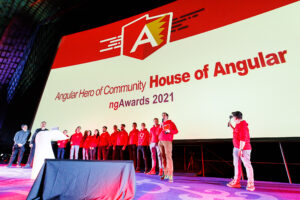
Active participation can lead to invitations to Angular events, collaboration opportunities, and other perks. Beyond those tangible benefits, the community also offers a path tobuilding and enhancing your personal brand. A prime example is Minko Gechev—before achieving the title ofGoogle Developer Expert, he was an Angular contributor. His consistent and high-quality work eventually caught the attention of the wider community, paving the way to an international career. Today, he holds the role of Staff Developer Relations Engineer at Google.
It’s not just individuals who benefit—companies also strengthen their brand through community engagement. This year’s Angular Hero of Community Award winner, House of Angular, invests heavily in the framework by contributing code, sponsoring technologies, and motivating their team to write articles and host meetups that promote Angular education.
Success rarely happens overnight. The key is steady effort—share what you know on a regular basis, whether through blog posts, social media content (including quick tips), or by organizing and attending conferences. You can also support technologies like NgRx or NestJS, or sponsor events such as Ng Poland, Enterprise NG, and ng-conf.
Supporting Angular and its tools opens up meaningful possibilities. Companies, for instance, can dedicate time for employees to expand their Angular skills and host internal workshops to foster knowledge sharing. Another effective approach is nurturing junior developers who are just starting with Angular. A solid onboarding process—paired with a designated buddy and a flexible learning pace—can help them thrive. The individual attention is crucial to fill knowledge gaps the new hire might not have previously encountered.
In summary, sharing truly is caring —and it’s well worth supporting and promoting the Angular community. When you focus on giving back and contributing, you can be sure that, eventually, the community will give back to you too!