Every developer’s story is deeply personal, yet it inevitably gets shaped by the framework they choose to master.
The flood of resources
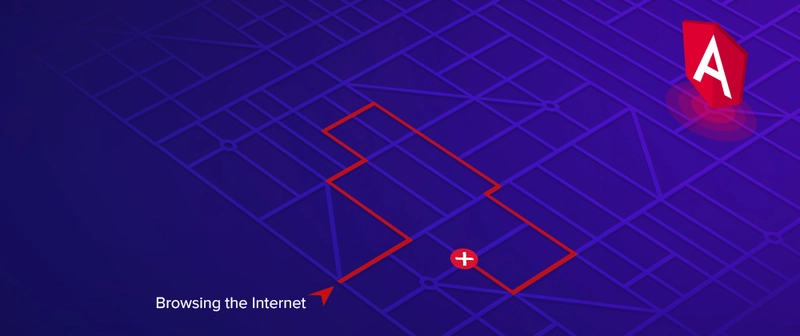
Getting started with Angular can feel overwhelming, especially when the sheer volume of online tutorials ends up doing more harm than good. The hardest part about relying on internet resources is that verifying their accuracy eats up valuable time. In an era where technology advances at breakneck speed, time has never been more precious. That is why making efficient, cost-effective coding choices matters so much for any web developer aiming to grow. Mastering Angular’s ins and outs is not just a matter of practice; it also depends on having reliable, high-quality references at hand.
Scouring the web for solutions can drain your energy, particularly if you are teaching yourself Angular on your own. Jumping from book to blog post, trying to separate the correct answer from the noise, can trigger a whole range of emotions — mostly because so many sources assume you already have intermediate knowledge. A large share of Angular content online presumes prior experience, which leaves true beginners or developers migrating from other frameworks feeling lost.
TypeScript is a perfect example of this hurdle. Combined with Angular, it can feel like you are learning an entirely different language. Add to that the unique structure of ngModules and the responsibilities assigned to Angular decorators, and you quickly realize that a shift in mindset is non-negotiable.
Finding community in a virtual classroom
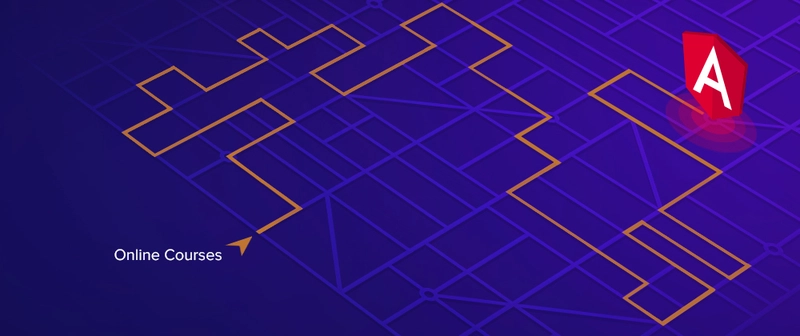
How steep the Angular learning curve feels differs from person to person, but having a steady stream of up-to-date, well-organized knowledge can ease the climb. Even the most thorough step-by-step guide that insists you memorize RxJS operators or embrace reactive programming won’t help much if no one is around to answer your follow-up questions. That is why Angular workshops, where you can talk through your struggles with fellow developers, can truly level up your progress.
The internet is full of Angular workshops, yet many either skip a structure that suits beginners or lack an instructor who can step in when you’re stuck. You need both to make the investment in learning Angular pay off once you step into a developer role.
Angular Workshop series by Aliaksei Kuncevic
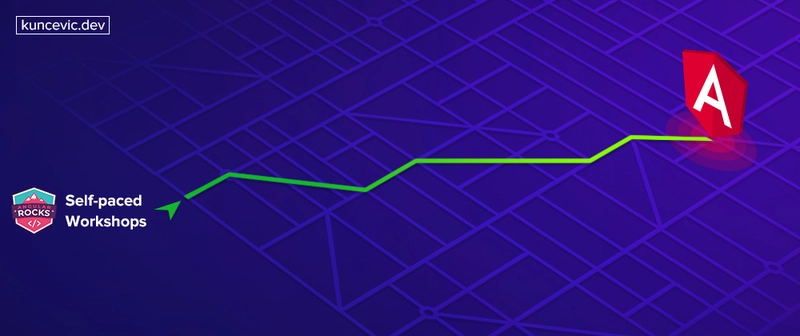
Aliaksei Kuncevic, a Google Developer expert and the mind behind the Angular Rocks podcast, has built a workshop series that addresses all these concerns.
When crafting his curriculum, he drew on conversations with well-known industry figures and his own extensive Angular background. He also launched the free Angular Rocks Podcast, which presents Angular topics in a logical sequence for those who cannot afford paid training.
Years of hands-on work, countless discussions with Angular professionals, consulting projects, and teaching sessions all went into shaping the three workshop tiers, each tailored to a different skill level. Whether you are just starting out or already midway through your Angular path, there is a course designed for you. What stands out is that every paid workshop guarantees direct mentorship and the chance to network with peers. Learning Angular alongside others is both enjoyable and motivating. When you are surrounded by Angular enthusiasts, laziness finds no room.
At a previous session, one participant captured a sentiment many can relate to: even a demanding learning journey becomes exciting once you find the right direction for it.
“I love Angular for its modular architecture, extensibility, and clear separation between logic and markup. The initial learning curve can be exhausting, but as soon you grasp the Angular basic concepts and see a clear path, you turn your developing journey into a rewarding process.”
Take your first step at a comfortable pace, and progress will follow.
Each of the three workshops stands on its own and serves a particular audience. The Angular Getting Started Workshop is ideal for those at square one. The Angular First Steps and Deep Dive workshops, meanwhile, assume you already have some Angular exposure.
The way the courses are structured is designed to make the learning process feel natural. That is also why the Angular Getting Started workshop is offered free of charge. It answers one crucial question before you commit: is Angular the right framework for you, do you enjoy the instructor’s teaching style, and do you want him guiding you through the rest of the journey?
An open invitation
Picking up a new framework can be rough, but it is far more enjoyable when shared. Keep your connections strong, stay curious, and keep pushing forward. Hold onto your Angular enthusiasm, and remember: once you get comfortable with fast-paced development, Angular starts giving back.
Enrollment for Aliaksei Kuncevic’s Angular workshops is currently open here. Take a look. Anyone is welcome to join, choose the level that fits, or figure out the right starting point by trying the FREE Angular Getting Started workshop.
Thanks for reading. Drop your questions in the comments, find me on LinkedIn, or send a direct message on Twitter.